

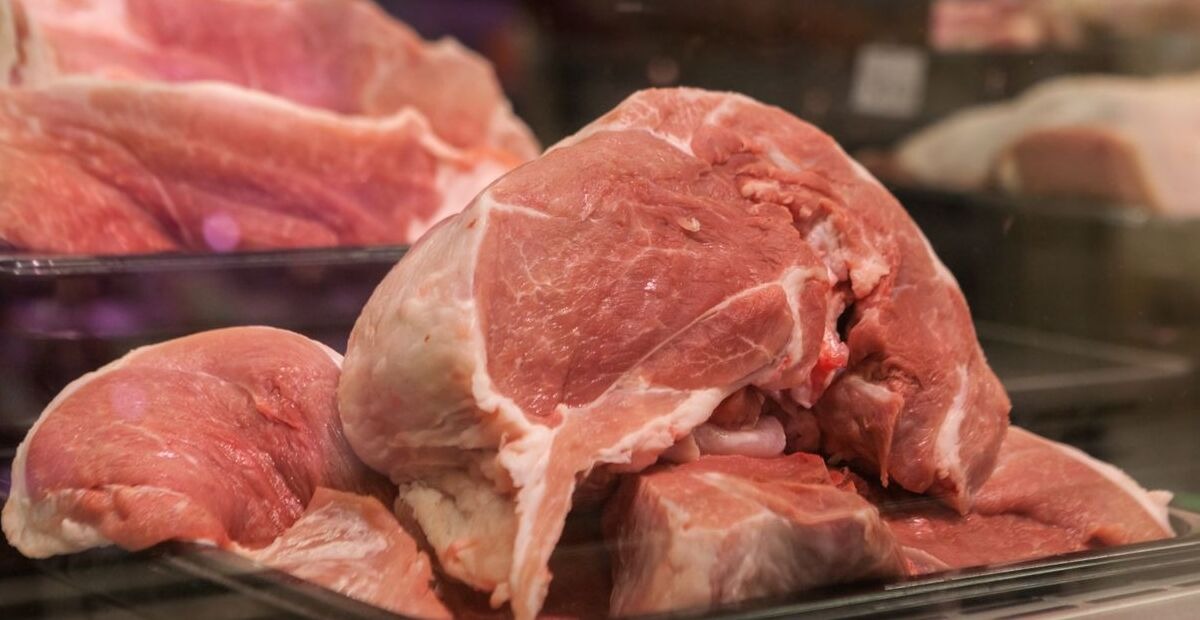
Red Meat Isn’t Unhealthy – It’s How We Consume It
Red meat has been a key American grocery staple for decades – but in recent years and the past decade or so – it has become more controversial.
Table of Contents
Some medical experts warn that consuming it can increase health risks, while others feel it’s a necessary part of the human diet. There’s a compelling argument to make against red meat in some cases, but the fear-mongering can be misleading and lead to implausible outcomes.
Red Meat Health Benefits
First, let’s acknowledge the pros of consuming the food, which can come from cows, pigs and other mammals.
The most obvious benefit is the protein, which can range anywhere from 19 grams to 40 grams per serving depending on the size, cut and variety (i.e steak or a burger. Protein, as we know, is a core building block for muscle. Protein is also known to support bones, hormones and is a satiating food, meaning it will keep you full for longer.
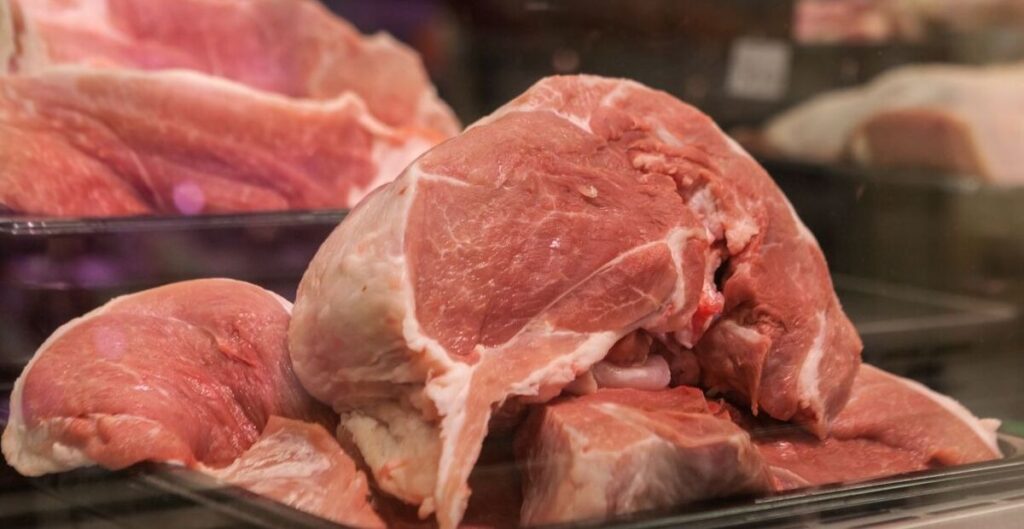
Additionally, red meat includes iron, which produces hemoglobin, supporting body energy levels.
Misleading Claims
But then there’s the other side of the argument. Part of the health risks come from the World Health Organization (WHO) classifying red meat as a Group 2A “probably carciogenic to humans” in 2015.
This can be misleading for a couple of reasons. For one, media stories and even postings from health-focused outlets run with the narrative that red meat causes cancer by default. But that alone is an irresponsible take without providing full context.
If you read the WHO’s questions and answers provided on the analysis, the key is “limited evidence from epidemiological” studies was found. Furthermore, the WHO admits that there was “chance, bias, or confounding” when coming up with the classification, meaning the results aren’t concrete and overwhelming due to the samples of the evidence reviewed.
On the other hand, this isn’t the case for processed meat, which includes deli meats with additives, including ham and corned beef. Some other items that may fit the bill include hot dogs, sausages and beef jerky. All of which are part of the red meat family.
The WHO lists processed meat as a Group 1 carcinogen, meaning there is “convincing evidence.”
Cancer Research UK, which dubs itself as the world’s largest cancer charity, noted that nitrates or nitrites (found in processed meats) can damage cells and lead to bowel cancer. The non-profit also said that while red meat might cause cancer, the evidence isn’t as strong as it is for processed meat.
The other misleading claim about red meat is that it should never be consumed or only very rarely. Of course, with just about every food, the quantity of intake matters. And it’s no different for red meat.
And another thing to consider is individuals. Those who are obese and not active are more prone to cancer and health issues in general. Healthier humans will have more leeway.
The Solution to Consuming It
Cancer Research UK recommends consuming no more than three portions of red meat per week, while eating processed meats as little as possible. That might be part of the solution to satisfy skeptics.
Another good idea is to pair your red meat servings with vegetables or fruits if you’re worried about spiking your cancer risk. These produce items can help reduce carcinogens.
But as with anything, you should never overconsume. Even too much water can be bad for you because, well – your bladder can’t handle it.
That being said, the fear-mongering over red meat is probably overblown. Clean cuts of steak and fresh burgers formed with ground beef can be a part of a healthy diet.
Just note that every individual may be different. Healthy humans can probably consume a few red meat servings per week; others who are obese or have other issues should consult a doctor about intake.