
State of Economy September: Venezuela Oil Deal Unlikely to Avert Crisis
Well, the state of the economy for September has just gotten more interesting as the U.S. finds itself in a bond crisis. President Donald Trump’s Venezuela oil reserve deal announcement offers some long-term hope – but unknowns remain from Federal Reserve action to surging inflation in the short term as tensions pick up again in the Middle East.
Table of Contents
Looking At Deal
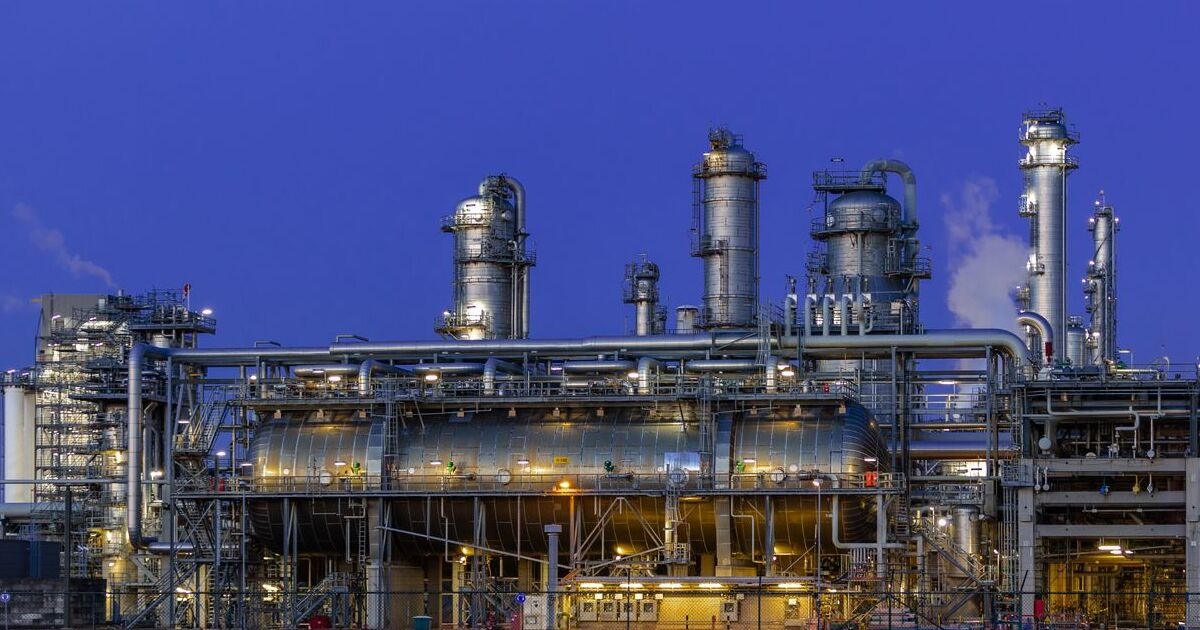
First, let’s take a look at the Venezuela deal. Trump said in a Truth Social post that the U.S. will secure “majority control” of more than 65 billion barrels of oil reserves in the country.
Keep in mind that before the war in the Middle East began, the U.S. held over 415 million barrels of crude oil in its reserves. So to put that in perspective, the deal could be massive in improving the country’s oil reserves and protecting against a future oil crisis.
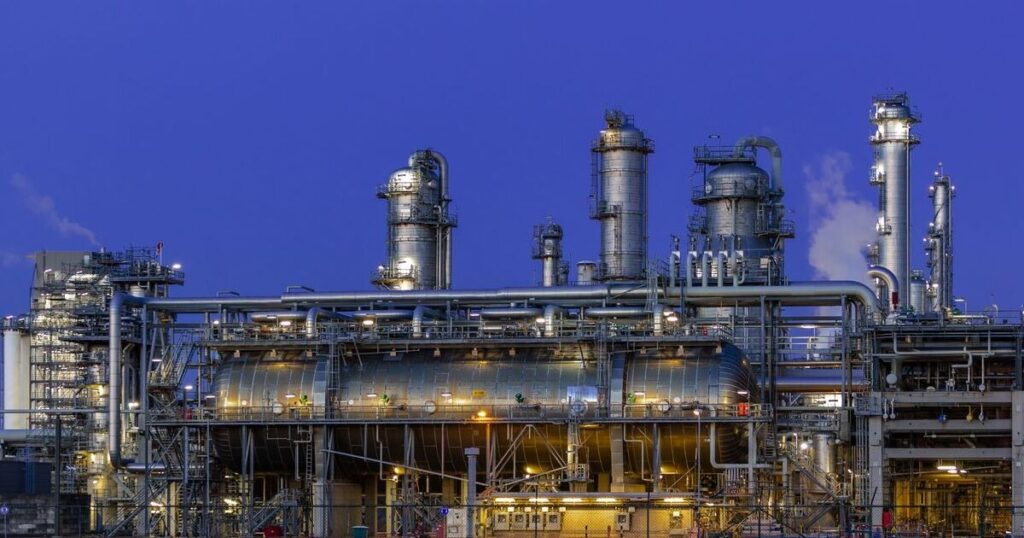
Trump claims that the Venezuela deal will more than double national oil reserves.
Some Caveats with Venezuela Oil Deal
While the deal does sound encouraging – it does come with caveats. While Trump claimed in another Truth Social post that the topping process of the U.S. oil reserves “will begin very shortly,” it may take a while until the U.S. sees meaningful impact from the deal.
In fact, PBS reported that experts say that it will take billions of dollars and years to repair Venezuela’s degraded oil infrastructure. So high gas prices will likely be here to stay in the short term.
“It’s going to take time — many years — to deploy that much capital and produce the kind of incremental results that history suggests possible,” Kevin Book, managing director at ClearView Energy Partners, said, according to PBS.
Patrick De Haan, head of petroleum analysis at GasBuddy, weighed in with similar thoughts, cautioning in an X post that “nothing changes overnight or even in months,” with a significant investment to acquire the oil required.
Back to Oil Reality
So that brings us back to reality. The oil crisis that’s currently at hand, among other economic warnings.
As Iran claims that the Straight of Hormuz remains closed to those who do not coordinate with the country’s authorities, U.S. oil reserves have fallen to a 40-year low, according to data from the Energy Information Administration.
The deal with Venezuela likely will not change that trajectory going forward. Only a peace deal that allows pre-war transits through the Straight of Hormuz can. But there is no end in sight, as of now, with the U.S. and Iran back to trading strikes this month.
It remains to be seen how much gas prices will skyrocket if U.S. oil reserves continue to fall to new lows. As of August 21, just 289.73 million barrels of oil were reported in the nation’s reserves.
The Strategic Petroleum Reserve requires roughly 70 million barrels to be in stock – so consider this threshold where the U.S. can no longer tap into its reserves. Perhaps this will be the tipping point where oil prices could skyrocket to levels never seen before.
Food Inflation
Also, it’s not just oil and energy prices that are impacted. About a third of the global seaborne fertilizer passes through the Straight of Hormuz.
As a result, JPMorgan is warning of a food shortage crisis, noting that these prices could surge by 5 percent during the first half of next year, according to Moneywise, which cited the bank’s recent Food Security is National Security report.
That would add to the 3 percent food inflation that households are already struggling with.
Then there’s the dire bond situation. The 10-year Treasury yield is now approaching 4.8 percent, which is the interest rate the government pays for investors to hold for decade-long notes. This means the interest on all sorts of debt will get even more expensive, from mortgage rates to car loans.
Just before the war began in February, the 10-year Treasury found itself under 4 percent. So it’s been a rapid change on all fronts in just months, from higher oil prices to elevated interest rates.
When Do Treasury Rates Become A Disaster?
The war is only part of the reason why investors have been selling off Treasuries. The other is the hawkish signals and lack of guidance coming from new Federal Reserve Chair Kevin Warsh and likely the national debt continuing to climb, now exceeding $40 trillion.
Whether it’s fear of a higher Federal Funds rate as soon as September or confidence-decimating, the bond market is reacting poorly to the new direction at the Fed.
Treasury Secretary Scott Besent even intervened recently with an announcement to at least double buybacks of government bonds – but that only worked temporarily. Yields shot back up and remain a concern.
So how high can Treasury yields go before it causes a crisis? Well, we may already be there, with HSBC warning in a May note that sustained levels of 4.65 percent or higher on the 10-year are in the “danger zone,” according to CNBC.
There’s been quite a bit of volatility in recent months – but the benchmark has remained above 4.7 percent for days now. Will this continue and will it even cross 5 percent in short order?
The bottom line is this for September: sure, the Venezuela oil deal could be a great thing long-term for the U.S. – but it does nothing now and in the near future to deal with the cost pressures consumers feel at the pump.
Add that to the fact that we are in the middle of a bond crisis. Will this cause the stock market to crash and Wall Street activity to slow due to the cost of borrowing surging? Oil prices are on the rise again and it appears a second round of inflation from the war will begin in the near future.
Buckle up because the Federal Reserve may hike rates at its upcoming meeting this month – and there’s no telling how investors will react to Warsh’s comments and the action itself.