

Exact AC Temperature This Summer to Save $317 on Energy Bills
Household energy costs this summer have skyrocketed as the war in the Middle East has caused shortages and driven up oil prices.
The cost pressures come as a heat wave across the Northeast forces households to crank up the air conditioning. This only adds more strain to energy costs.
From June to September, Americans on average are expected to spend roughly $792 on electricity, a 10.5 percent increase from the same period a year ago, according to a report from the National Energy Assistance Directors Association.
The report also finds that cooling expenses have spiked by 40 percent since 2020, with one in six households now behind on their utility bills.
Exact AC Temperature to Use
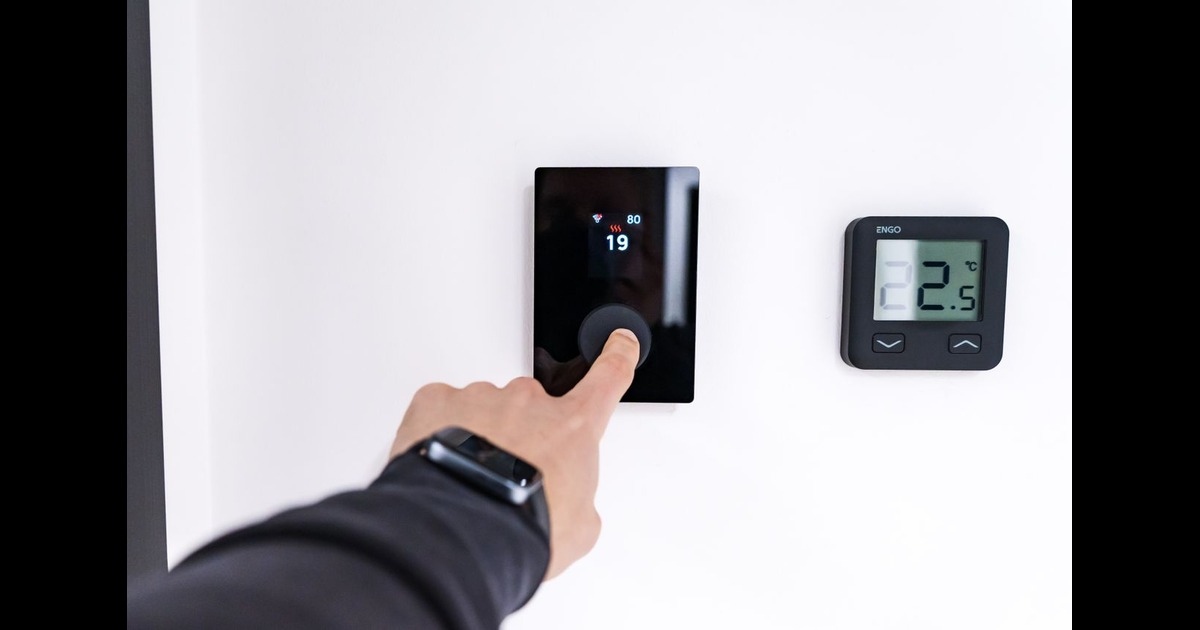
However, there is one potential solution that Americans can use to mitigate rising energy costs. That’s taking a look at the temperature you set your thermostat. Simply put, the higher the number – the less energy that’s used.
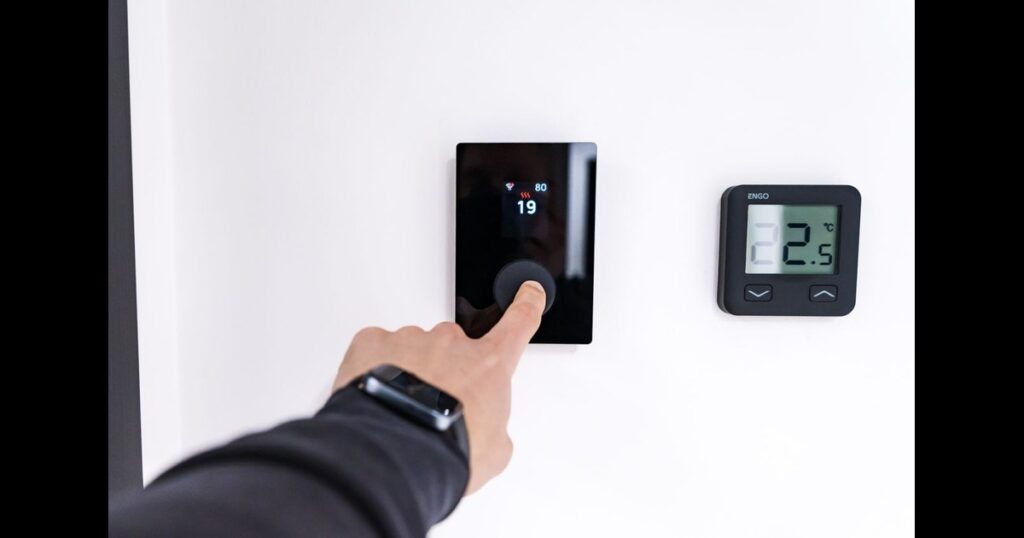
The National Grid, a utility company that serves New York and Massachusetts and other areas in the Northeast, recommends that households set their cooling systems generally to 78 degrees in the summer. Also, many other states, including New York and Texas, agree that 78 degrees is the ideal range.
How Much Can You Save?
The savings when switching to this guidance will depend on what your previous AC settings were before. According to the National Grid, for example, every extra degree the temperature is raised can shave between three and five percent off energy bills.
So say your thermostat was set to 70 degrees – that could unlock savings of up to 40 percent. So if you were set to pay $792 through the summer, you would save $316.80. If your temperature was in the 60s – there’s potential for more savings.
When to Set it
But setting a higher temperature is easier said than done in scorching heat. Of course, every individual and family is different in what they can handle. On most summer days, I can’t tolerate any more than 75 degrees, for example.
Plus, at times, you have to account for heat waves, with the Northeast seeing extreme temperatures this past weekend.
Another factor is the size of your home. Is it a three-bedroom single-family home or a studio apartment? You can expect to obviously pay more if you upgraded your residency over the past year.
However, odds are your home is vacant at certain times through the day and the week. You’ll want to use that to your advantage and aim for the mid-80s. Most thermostats allow you to schedule times and preset temperatures throughout the week. Doing this is important in case you forget while you’re not home.
Other Energy Household Wasters
Low AC temperatures aren’t the only thing putting pressure on summer energy bills. Poor insulation and plugs wasting consumption when not in use (known as energy vampire plugs) are two others that might be running up your costs around the house.
For insulation, EnergyStar recommends using fiberglass, spray foam, rigid foam board and air-tight sealing to keep your home cooler during the summer.
Some examples of energy vampires around the house include phone chargers, air fryers, microwaves or anything that’s not in use plugged into the wall like a hair dryer. Obviously, not everything can be unplugged, such as your fridge (unless you enjoy spoiled food) – but keeping these in mind can deliver meaningful savings throughout the year.
But above all else, the temperature you set your cooling system to will likely deliver the most significant savings.
Some might just save dollars compared to hundreds (depending on previous settings) – but keep track of the days and times spent inside your home. Plus, properly insulating your home could make higher temperatures more tolerable.